
Agroforestry for People, Ecosystems and Climate (AfPEC)
Indkomstskabelse
Landbrug
Klimatilpasning
Uganda
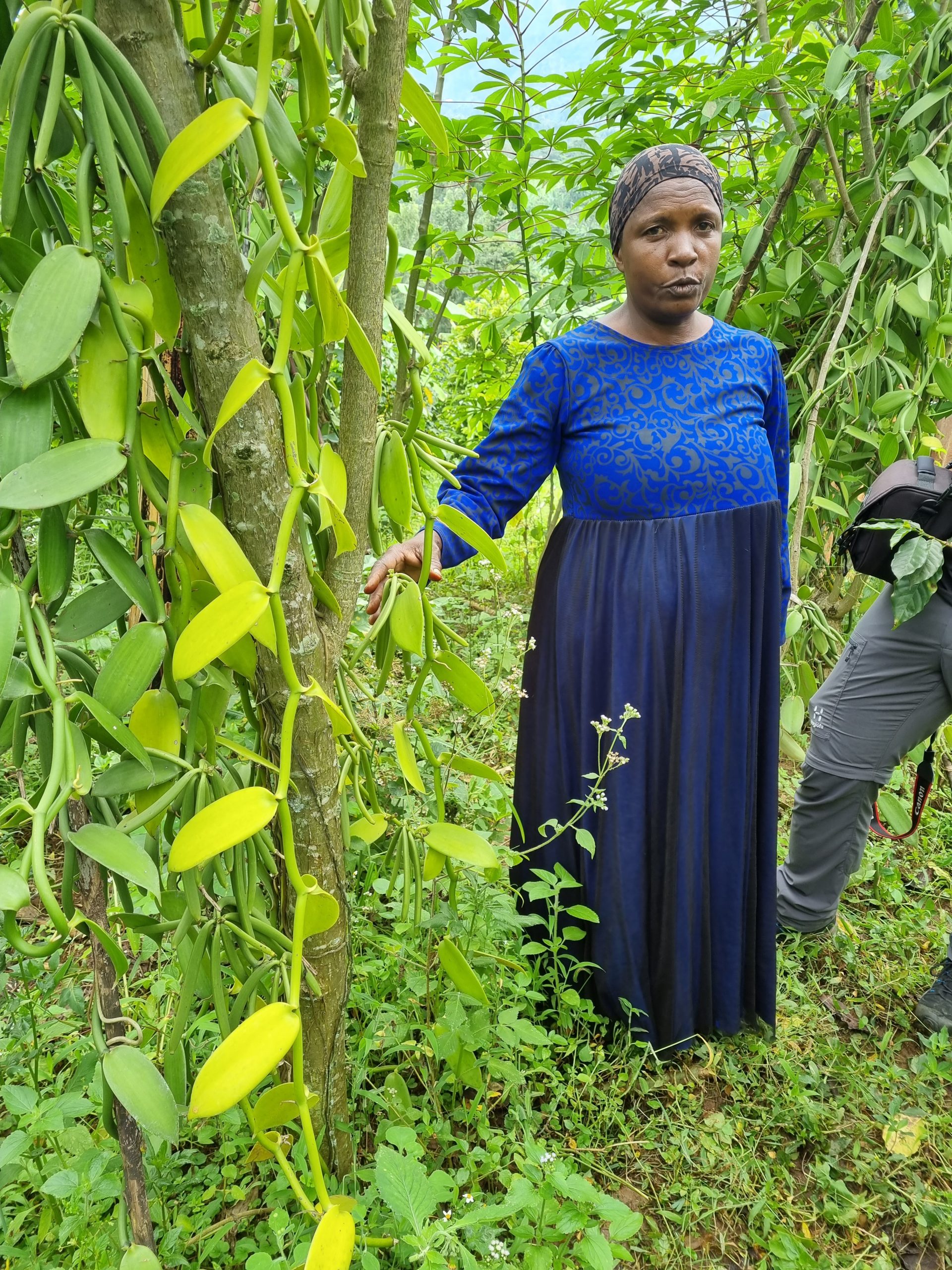
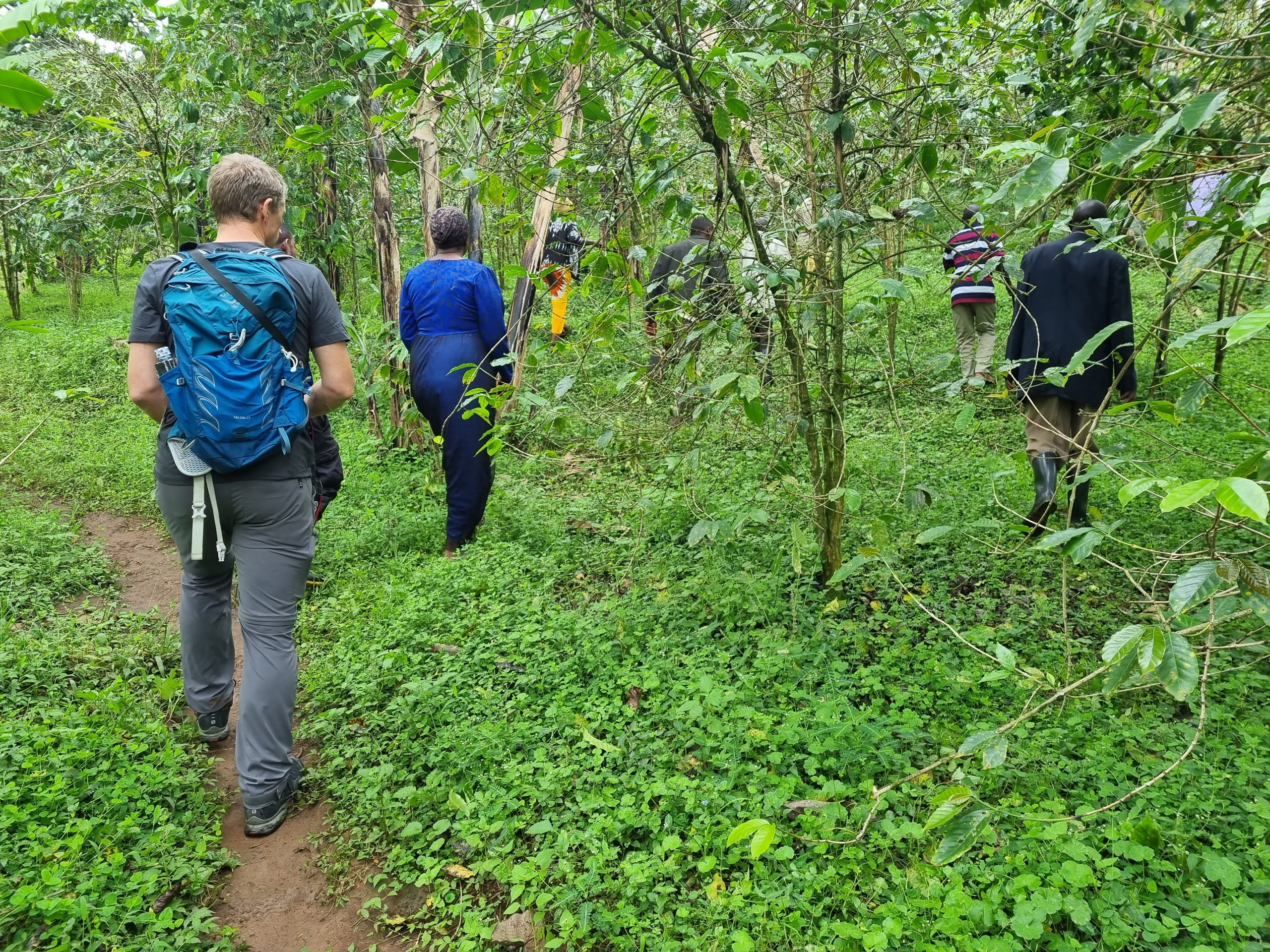
Skovlandbrug til gavn for mennesker, økosystemet og klimaet
Agroforestry for People, Ecosystems and Climate (AfPEC)
(English description of the project below the Danish text)
Seniorer uden grænser er med i et forskningsprojekt om fordelene og udfordringer ved skovlandbrug i det østlige Uganda. Nærmere bestemt på Mt Elgon i fire grupper, der blev dannet 2017 i fire lokalsamfund.
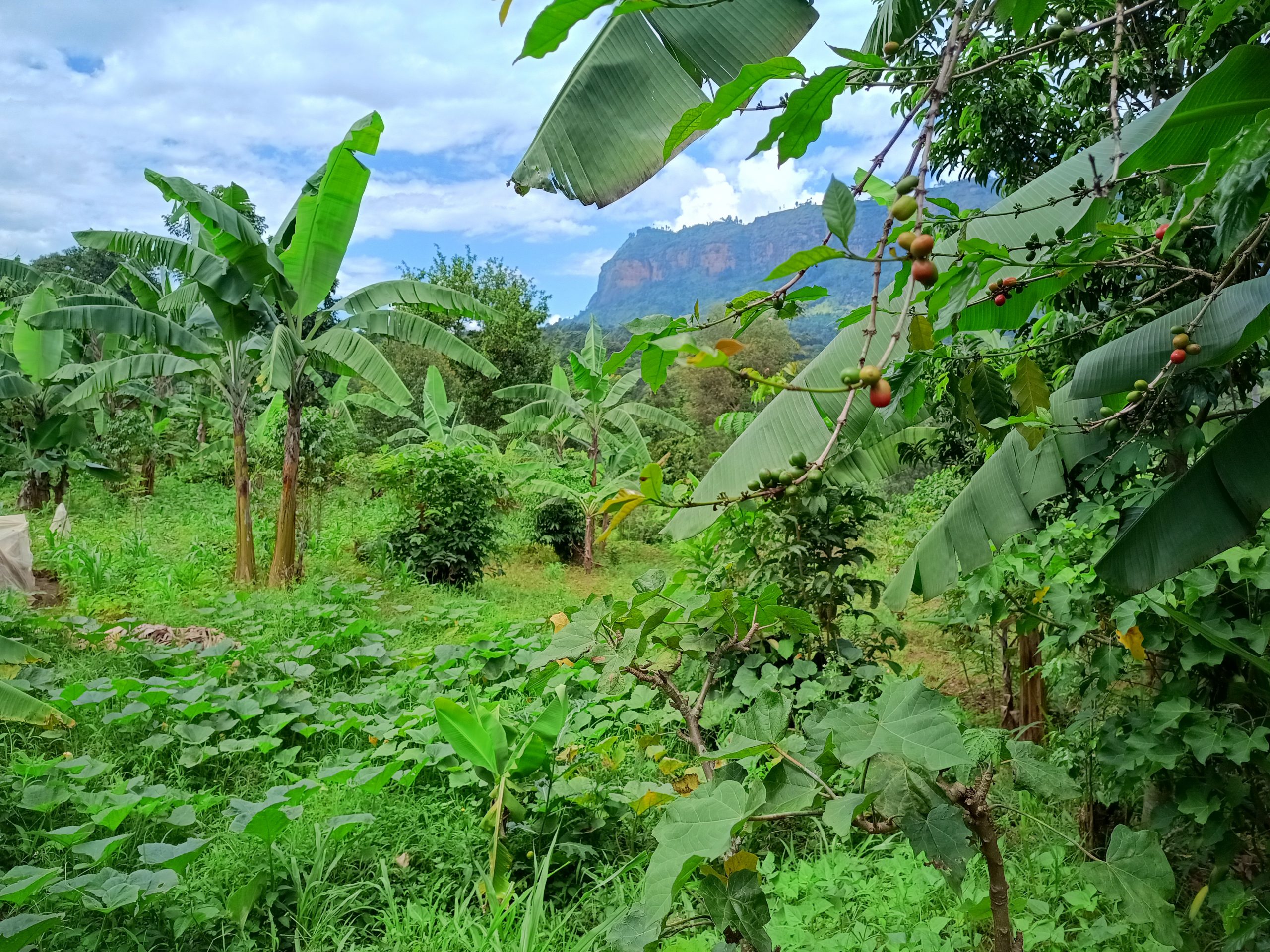
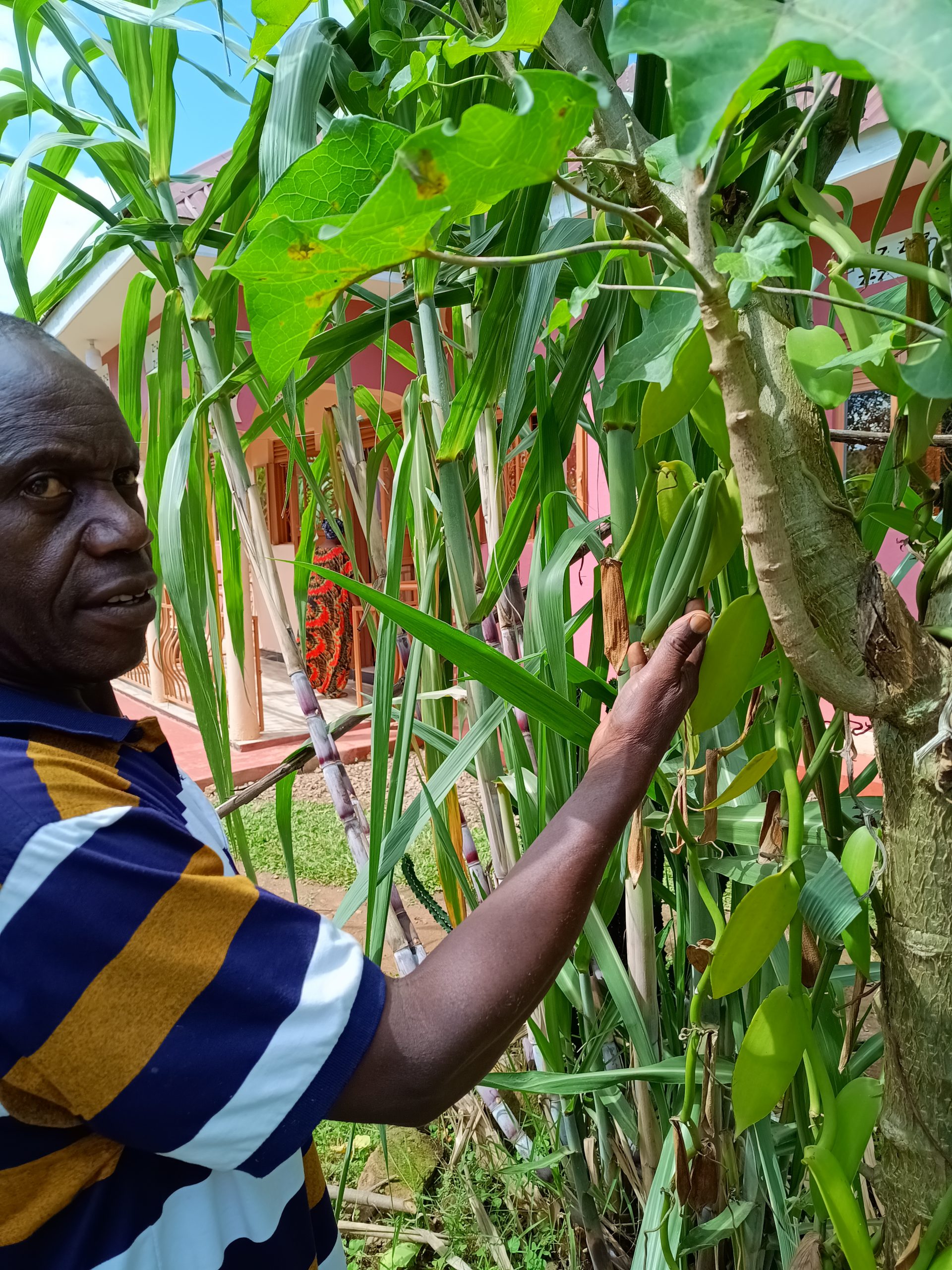
Skovlandbrug er livsgrundlag for mange mennesker i det centrale Afrika. Det forsyner småbønder med fødevarer, salgsafgrøder, tømmer samt brænde til energiforsyning. De mange afgrøder, der gror tæt forbundet til hinanden, gør brugstypen modstandsdygtig overfor klimaforandringer og variationer i vejret fra år til år. Hvis en afgrøde slår fejl, er der en anden, som ikke gør det. Brugstypen bygger på og kan fastholde en stor biodiversitet i et landbrugsområde.
En videreudvikling af skovlandbruget kan forbedre småbøndernes levevilkår i form af højere udbytte, øget fokus på at bevare og forbedre økosystemet samt tilpasse skovlandbruget til aktuelle og kommende klimaforandringerne. Ydermere har projektet fokus på at skabe indkomstmuligheder for kvinder og unge samt øge forarbejdningsgraden af de lokalt producerede varer.
AfPEC har tre formål:
- At dokumentere hvordan skovlandbrug kan vedligeholde og forbedre jorden ved at øge dens frugtbarhed og binde kulstof
- At undersøge, hvilke faktorer, der kan være motiverende for landbrugsfamilierne således, at der skabes en udvikling, der er bæredygtig på langt sigt
- At understøtte videnskabeligt baseret skovlandbrug i praksis
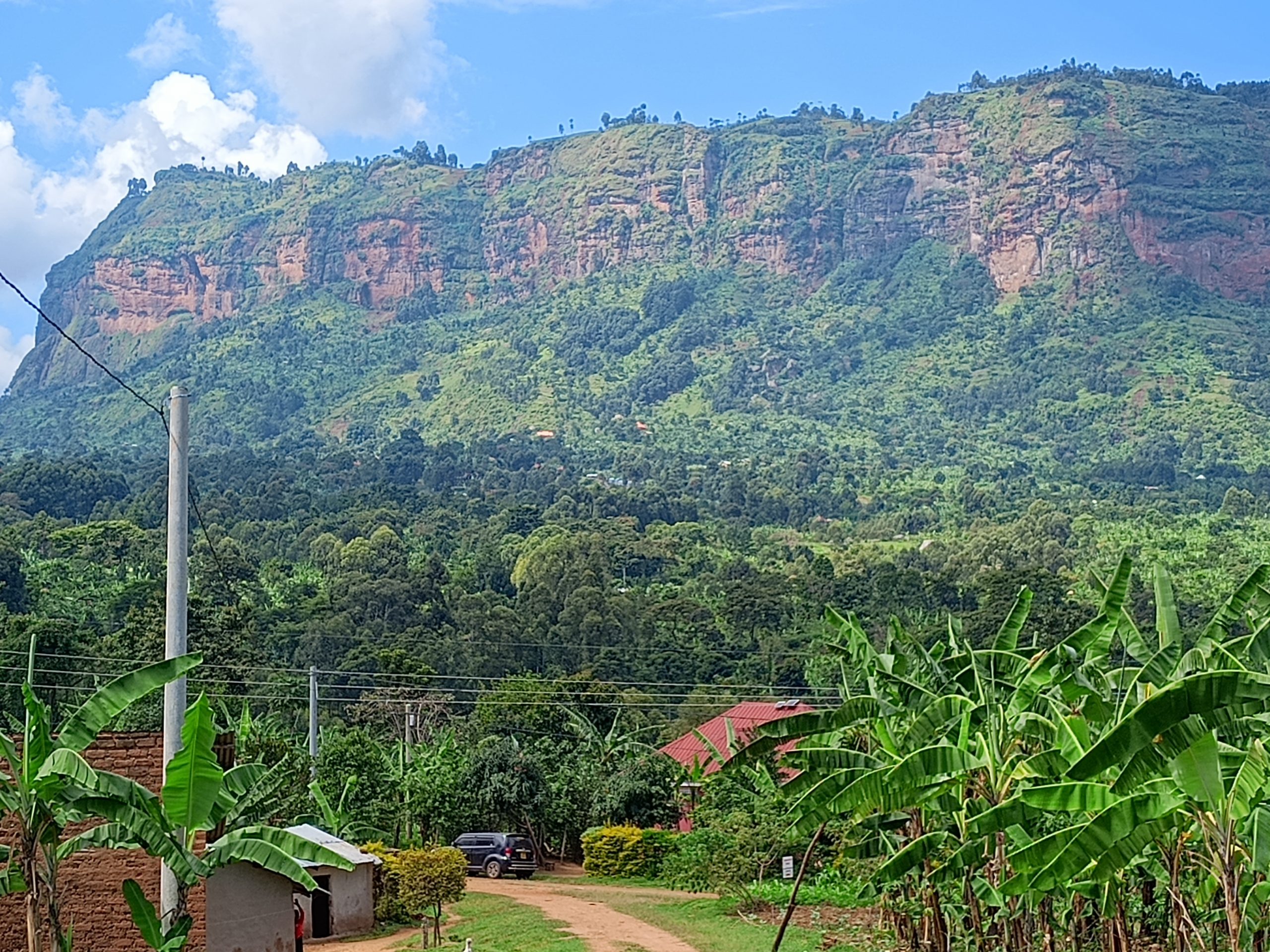
Projektet strækker sig over 5 år og involverer mange partnere: Markarere Universitet i Kampala, Youth Leading Environmental Change, Uganda og ECO science ved Aarhus Universitet, Antropologisk Institut og Landbohøjskolen i København, Verdens Skove, Seniorer uden Grænser, Danmark. Projektet bygger på såvel videnskabelige studier som praktiske undersøgelser i felten og vil resultere i videnskabelige artikler og afhandlinger samt materiale, der direkte kan understøtte skovlandbrugene. Geografisk omfatter projektet de fire bebyggelser Bitwa, Sipi, Bufumbo og Buginyanya omkring Mount Elgon, hvor der bor omkring 120 husstande. Budgettet er 10 mio. kr., der er bevilget af Danida.
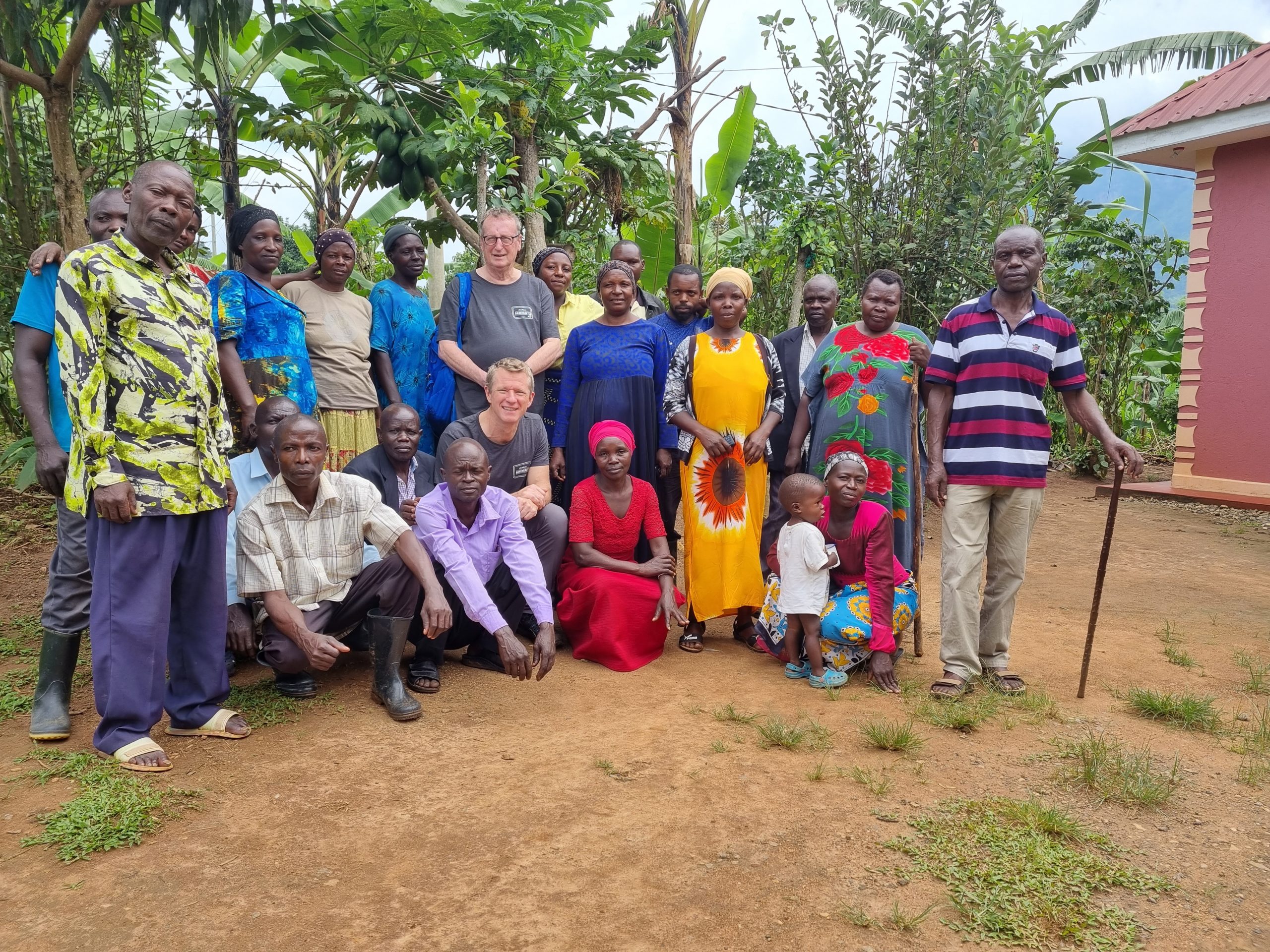
Seniorer uden Grænser bidrager med sine store viden om området, og det allerede etablerede og velfungerende samarbejde med ugandiske partnere. SuG planlægger og er med til at gennemføre baselinestudiet af de involverede husstande i efteråret 2024. Det indgår i arbejdspakke 3.
Projektet er centreret om fem arbejdspakker.
AP1 Afdækning af skovlandbrugets indflydelse på økosystemet. Her vil blive indsamlet en kombination biologiske, socioøkonomiske og etnobiologiske data.
AP2 Livsgrundlag og forvaltning. Indsamling af data vedrørende forskellige skovlandbrugs indflydelse på livsgrundlag og værdiskabelse for landbrugsfamilierne samt undersøge, hvordan bønderne bliver motiverede for at udvikle og udvide skovlandbruget. I hvilket omfang er det muligt, og hvilke barriere er der. En øget forarbejdningsgrad af de handlede produkter er en mulighed for at øge indtjeningen.
AP3 Fra viden til praksis. Beboerne i de fire område vil få træning i at etablere planteskoler, vælge lokale træsorter, forberede jorden m.m. Målet er gensidig oplæring af bønderne. Værdikæder og markedsføring er også en del af indholdet.
AP4 Kapacitets opbygning på universitets niveau.
AP5 Markedsføring og formidling.
Agroforestry for People, Ecosystems and Climate ( AfPEC )
Seniores without Borders is part of a research project on the pros and cons of agroforestry in eastern Uganda.Four groups that was made out of four communities at Mount Eldon in 2017.
Agroforestry is the livelihood for many people in Central Africa. It supplies small farmers with food, cash crops, timber and firewood for energy supply. The many crops that live closely related to each other make the communities more resistant to climate changes and variations in the weather from year to year. If one crop fails, there is another that does not. Agroforestry builds on and can maintain a large biodiversity in an agricultural area.
A further development of agroforestry can improve the living conditions of small farmers in the form of higher yields, increased focus on preserving and improving the ecosystem and adapting agroforestry to current and future climate changes. Furthermore, the project focuses on creating income opportunities for women and young people and increasing the degree of processing of the locally produced goods.
AfPEC has three objectives:
- To document how agroforestry can maintain and improve the soil by increasing its fertility and sequestering carbon
- To investigate which factors can be motivating for farming families so that development is created that is sustainable in the long run
- To support scientifically based agroforestry in practice
The project extends over 5 years and involves many partners: : Markarere University in Kampala, Youth Leading Environmental Change, Uganda og ECO science Aarhus University, Antropological Institut and Department of Plant and Environmental Studies København University, Forrests of the World, Danmark. The project is build on scientific studies as well as praktical studies in the field and will result in scientific articles and papers, as well as material that can be directly used by the farmers.
Geographically, the project includes the four settlements Bitwa , Sipi , Bufumbo and Buginyanya around Mount Elgon, where around 120 households live.
Seniors Without Borders contributes with its solid knowledge of the area, and the already established well-functioning cooperation with Ugandan partners. SuG is planning and helping to complete a baseline study of the households involved in autumn 2024. This is part of work package 3.
The project is centered around five work packages.
AP1 Uncovering the impact of forestry on the ecosystem. A combination of biological, socio-economic and ethnobiological data will be collected here.
AP2 Basis of life and management. Collection of data regarding the impact of different agroforestry on livelihoods and value creation for the farming families, as well as investigating how farmers are motivated to develop and expand arable forestry. To what extent is it possible and what barriers are there. An increased degree of processing of the traded products is an option.
AP3 From knowledge to practice. The residents of the four areas will receive training in establishing nurseries, choosing local types of trees, preparing the land, etc. The aim is mutual training of the farmers. Value chains and marketing are also part of the content.
AP4 Capacity building at university level.
AP5 Marketing and communication
The project has been given grant from Danida
The budget is 10 mio. DKK
Period 2024 – 2029
Projekt manager for SuGs part: Poul Krøijer together with a group of seven from all SuG’s departments.
Overall responsible: Lektor Anne Mette Lykke fra Ecoscience, Aarhus University